Smart Video Phone Buying Guide 2026: 7 Business Wins
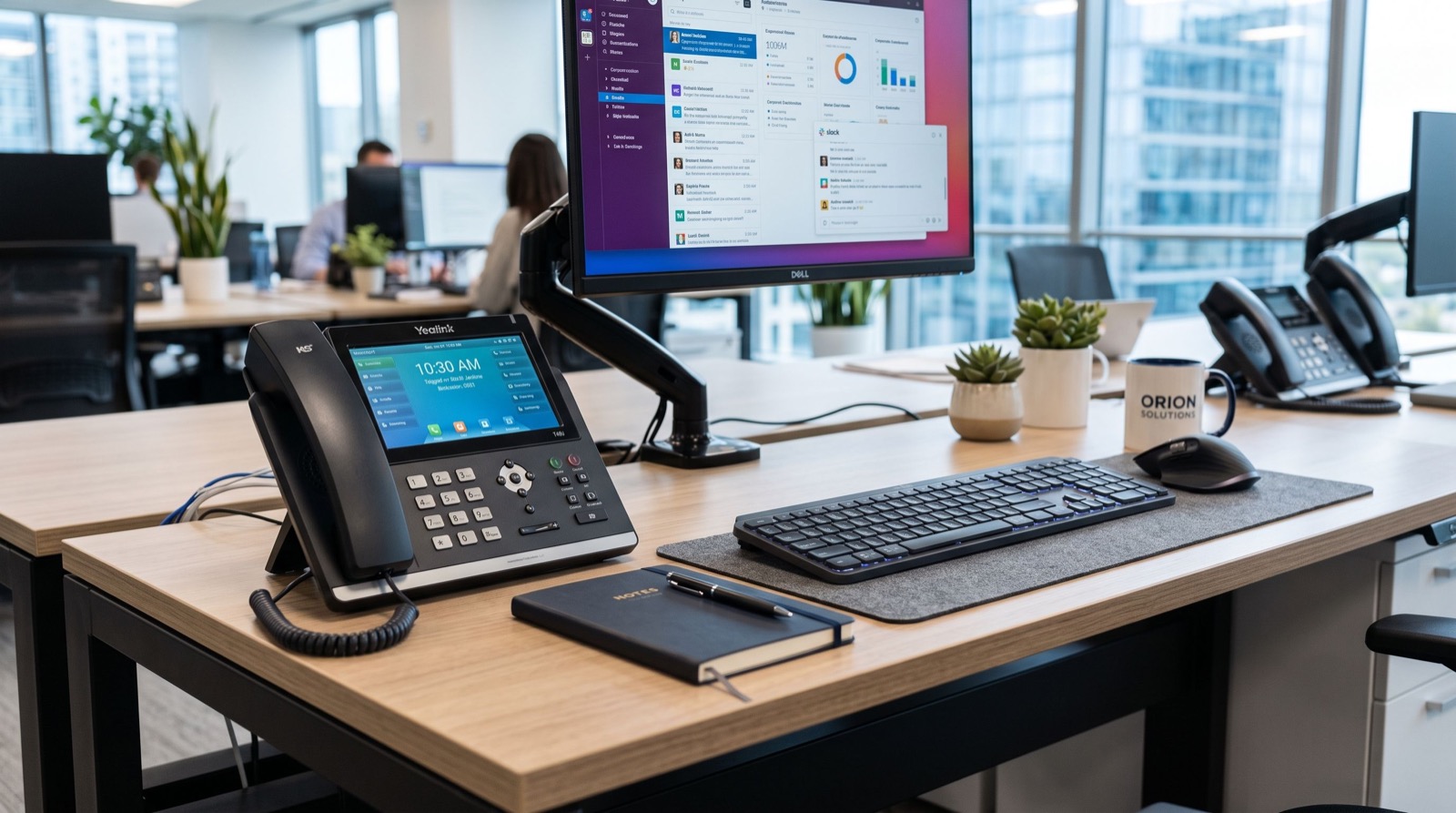
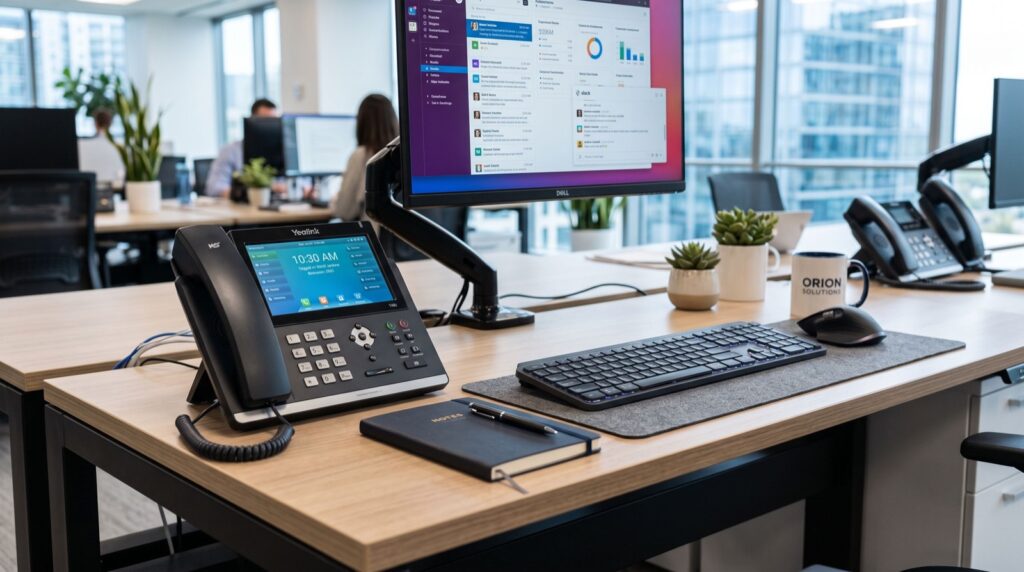
The smart video phone has quietly become the centrepiece of the modern Pakistani office. As hybrid work, remote branches and client video calls turn into daily routines, a desk device that blends crisp HD voice, a touchscreen and native video is no longer a luxury. In 2026, a well-chosen smart video phone replaces the clutter of headsets, webcams and separate conferencing gadgets with one tidy, always-on unit.
This guide walks Pakistani SMBs and enterprise buyers through what actually matters when you shortlist a video-capable IP phone, how it fits into a VoIP rollout, and the practical checks that stop you from overpaying for features you will never switch on.
Why a smart video phone makes sense in 2026
Voice-only desk phones still work, but they leave value on the table. A video-capable handset adds a camera, a large colour touchscreen and an Android-style app layer on top of enterprise SIP calling. That combination changes how teams meet.
Reception desks greet walk-in clients on screen. Branch managers in Lahore join a Karachi stand-up without booking a meeting room. Support staff read tickets on the same device they take calls on. One unit, several jobs.
- Face-to-face trust: video shortens sales cycles and reduces misread tone on important calls.
- Desk tidiness: no tangle of USB cameras, dongles and headset bases.
- Lower total cost: SIP trunks over your existing internet beat per-minute PTCL landline billing.
- Future-proofing: firmware updates add codecs and apps long after purchase.
For teams scaling fast, pairing the hardware with an experienced local team for installation and number porting removes most of the friction that stalls a VoIP migration.
Core features to check before you buy
Not every device labelled “video phone” delivers a smooth call. Focus on the specifications that decide day-to-day quality rather than the marketing bullet points.
Screen, camera and audio
Look for at least a 7-inch adjustable touchscreen, a 1080p or higher camera with a privacy shutter, and full-duplex speakerphone with echo cancellation. A tilting camera matters more than raw megapixels because it lets users frame their face without stacking the phone on books.
Connectivity and expansion
Gigabit dual ports let the phone and a PC share one wall socket. Built-in Wi-Fi and Bluetooth free you from cabling in older buildings. Power over Ethernet (PoE) removes the need for a separate adapter at every desk.
A flagship unit such as the Fanvil V67 Flagship Smart Video Phone brings these pieces together with a wide screen, an HD camera and generous line keys, which is why it is a popular anchor device for boardrooms and executive desks.
Smart video phone vs softphone vs webcam setup
Many buyers ask whether a dedicated device beats a laptop with a webcam. The honest answer depends on usage, so compare the three realistic options side by side.
| Setup | Call quality | Reliability | Best for |
|---|---|---|---|
| Dedicated video phone | High, tuned hardware | Always on, dedicated | Reception, execs, boardrooms |
| Softphone + webcam | Variable, PC-dependent | Crashes with the laptop | Occasional remote staff |
| Mobile app only | Depends on signal | Battery and network bound | Field and travelling staff |
A dedicated device wins wherever calls are frequent and downtime is costly. Softphones remain useful as a backup or for staff who only call occasionally.
How many video phones does your office need?
Over-buying is the most common mistake. You rarely need a flagship video unit on every desk. Instead, map devices to roles.
- Boardrooms and meeting rooms: one flagship video phone each.
- Executives and sales leads: a video unit per person for client calls.
- General staff: affordable voice IP phones, upgraded later if needed.
- Reception: a video phone with an expansion module for call routing.
This tiered approach keeps your budget sensible while still giving the people who meet clients the tools they need. If you want vendor-neutral advice on the right mix, exploring the range of Best IP phones in Lahore helps you balance flagship and entry-level models in one order.
Network readiness: the step buyers skip
Video calls are hungry for bandwidth and sensitive to jitter. Before any hardware lands, audit your network. The Cisco overview of VoIP explains why Quality of Service (QoS) tagging and adequate upload bandwidth decide whether calls sound clear or stutter.
Practical checks before rollout:
- Confirm symmetrical or strong upload speeds, not just download.
- Enable QoS on your router to prioritise voice and video packets.
- Use PoE switches so phones restart cleanly after power cuts.
- Segment voice traffic on its own VLAN where possible.
One original tip from real deployments in Pakistan: install a small UPS on the PoE switch, not just the router. During load-shedding, that single change keeps the whole phone fleet alive for the critical first hour.
Rollout timeline and return on investment
A video phone upgrade does not need a long project. Most SMBs complete a tidy rollout in two to three weeks once the hardware arrives, provided the network audit is done first.
- Week one: audit bandwidth, enable QoS and stage a UPS on the PoE switch.
- Week two: pilot flagship units in the boardroom and at reception, then gather staff feedback.
- Week three: deploy to executives, train users and retire old handsets.
The return shows up quickly. Fewer missed walk-ins at reception, shorter sales cycles from face-to-face calls, and lower monthly bills once legacy lines are cancelled all add up. Many Pakistani businesses report that the client-facing units pay for themselves within the first few billing cycles, while the remaining savings continue for years.
Another practical insight: label each device with its extension and a short dial-plan sticker during install. Adoption rises sharply when staff can transfer, hold and conference without hunting through menus on a brand-new touchscreen.
Frequently Asked Questions
Is a smart video phone worth it for a small business?
Yes, if you handle client-facing calls. Even two or three units at reception and on sales desks pay for themselves through faster deals and fewer missed walk-ins. General staff can keep voice-only phones.
Do I need special internet for a video phone?
You need stable upload bandwidth and low jitter rather than a special line. A standard fibre connection with QoS enabled handles several concurrent video calls comfortably for most SMBs.
Can a video phone work with my existing numbers?
In most cases, yes. A SIP provider can port your current numbers or map extensions, so clients keep dialling the same number while you move to VoIP behind the scenes.
How long do these devices last?
Quality units run for five to seven years, and firmware updates extend useful life by adding codecs and security patches well after purchase.
Conclusion
A smart video phone is one of the highest-impact upgrades a Pakistani business can make in 2026. It consolidates hardware, strengthens client relationships through face-to-face calls, and slots neatly into a modern VoIP setup when your network is ready. Match devices to roles, check your bandwidth, and plan for power cuts, and the investment pays back quickly.
Ready to modernise your desks? Compare models, confirm your network readiness, and request a tailored quote today so your team can start taking sharper, clearer calls this quarter.