Solar Installation Services in Pakistan: 2026 Buyer Guide
Rising grid tariffs and frequent load-shedding have pushed thousands of Pakistani homeowners and business owners toward rooftop solar in 2026. But the hardest part isn’t deciding to go solar — it’s finding solar installation services you can actually trust with your roof, your budget, and years of uninterrupted power. This guide breaks down exactly what separates a professional installer from a fly-by-night one, what a proper system should cost this year, and how to avoid the mistakes that leave homeowners with underperforming panels.
Why Solar Installation Services Matter More Than the Panels Themselves
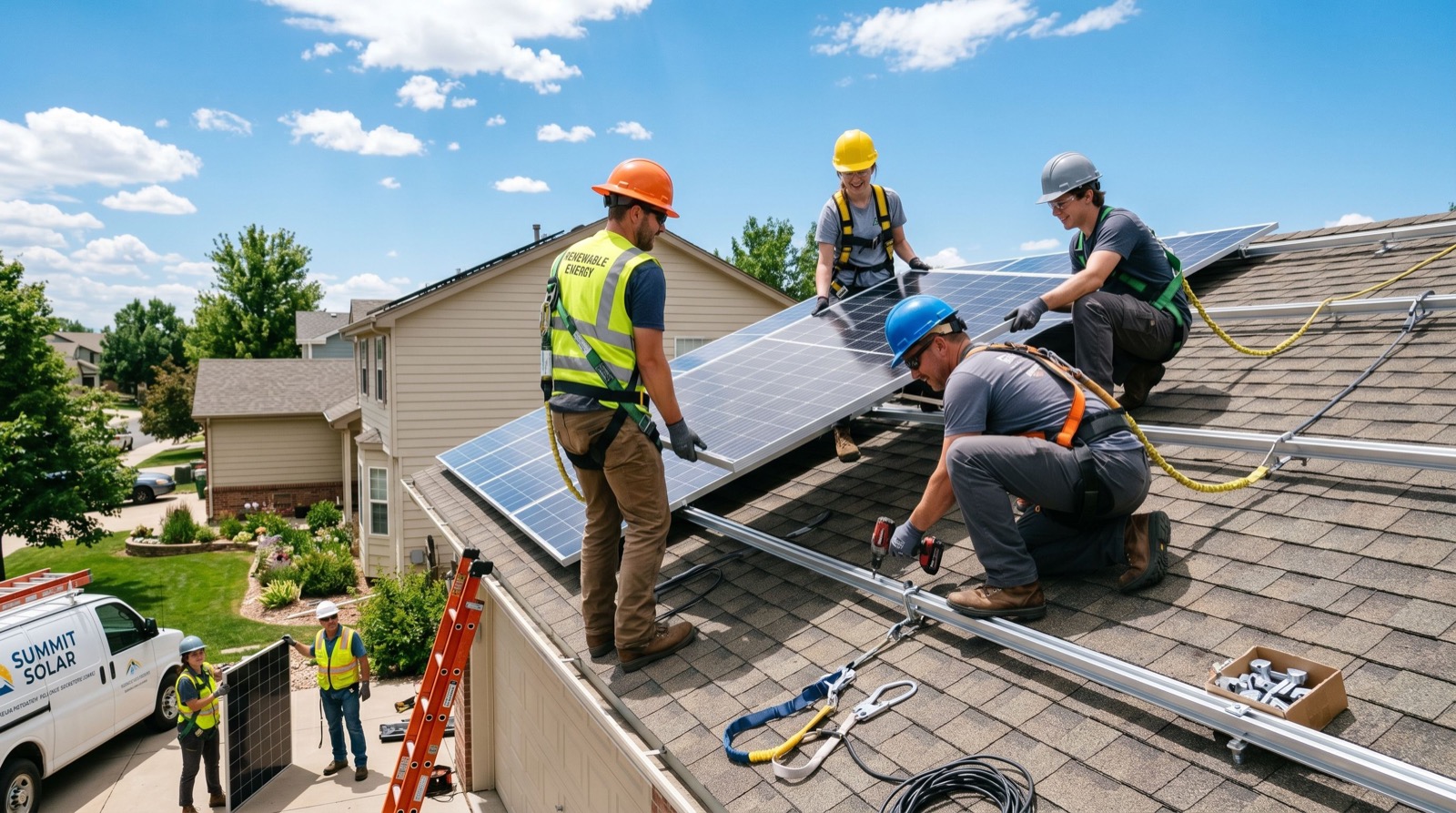
Most buyers obsess over panel brand and wattage, but the single biggest predictor of long-term system performance is installation quality. A poorly mounted array, undersized cabling, or a badly configured inverter can quietly cut your output by 15–30% for the life of the system. Good solar installation services start with a proper site survey — roof orientation, shading, structural load, and your actual appliance-level consumption — before anyone touches a wrench.
What a Proper Site Survey Should Include
In 2026, a credible installer in Pakistan will walk your roof, check your electricity bills for the past 12 months, measure shading from neighboring structures or water tanks, and confirm whether your existing wiring and distribution board can safely handle the new load. Skipping this step is the single most common reason systems underperform.
Signs You’re Hiring a Reliable Solar Company
Pakistan’s solar market has grown fast, and with that growth has come a flood of under-qualified contractors. Before signing any contract, check for these markers of a legitimate installer:
- A physical office and verifiable business registration, not just a WhatsApp number
- Written warranties on both panels (typically 10–25 years) and inverters (5–10 years)
- Transparent, itemized quotations that separate panel, inverter, structure, and labor costs
- References or visible completed installations you can inspect or call to verify
- Knowledge of NEPRA’s net metering process and willingness to handle the paperwork for you
Firms that have delivered a wide range of solar projects in Pakistan — spanning homes, retail outlets, and small factories — tend to have the field experience to handle unusual roof layouts and local grid quirks that generic contractors often get wrong.
What Does Solar Installation Cost in Pakistan in 2026?
Prices vary by city, panel brand, and inverter type, but here is a realistic cost range for common residential and small-commercial system sizes this year:
| System Size | Typical Use Case | Approx. Installed Cost (PKR) | Avg. Monthly Units Offset |
|---|---|---|---|
| 3 kW | Small home, fans + lights + fridge | 750,000 – 950,000 | 400–450 units |
| 5 kW | Mid-size home with AC load | 1,100,000 – 1,450,000 | 650–750 units |
| 10 kW | Large home or small office | 2,000,000 – 2,600,000 | 1,300–1,500 units |
| 20 kW | Shop, clinic, or small factory | 3,800,000 – 4,800,000 | 2,600–3,000 units |
These figures assume a hybrid inverter and tier-1 monocrystalline panels. Always ask for a breakdown that matches this structure — if a quote is dramatically lower, the installer is likely cutting corners on cabling, mounting structure, or panel grade.
How Long Does Solar Installation Take in Pakistan?
For a typical residential system, physical installation takes 1–3 days once materials are on site. The slower part is usually net metering approval through the local DISCO, which commonly takes 4–8 weeks after submission. A good installer will apply for net metering on your behalf immediately after commissioning, rather than leaving you to navigate the utility’s paperwork alone.
Choosing the Right Partner for Trusted Professionals
Whether you’re hiring an electrician, a marketing consultant, or a solar contractor, the same rule applies: verified track records beat flashy ads. If you want a broader look at how to vet trusted professionals across service industries in Pakistan, the due-diligence steps are nearly identical — licensing, references, and transparent pricing.
For solar specifically, a company offering full-cycle solar installation services — design, procurement, mounting, wiring, net metering, and after-sales support — removes the need to coordinate multiple vendors yourself, which is where most DIY-managed projects go wrong.
Maintenance: The Part Most Buyers Forget
Dust, pollen, and smog are heavier in Pakistan than in most solar markets, and panel output can drop 10–20% if left uncleaned for months. A basic quarterly cleaning schedule, plus an annual inverter and wiring inspection, keeps systems performing near their rated output for the full 20+ year panel lifespan.
Financing Options That Make Solar More Affordable
Upfront cost is still the biggest barrier for many households, but financing has gotten considerably easier in 2026. Several commercial banks now offer dedicated green energy loans with repayment terms stretched over 3–5 years, often with lower markup rates than standard personal loans. Some solar companies also partner directly with leasing firms, letting customers pay a fixed monthly installment that’s frequently lower than their previous average electricity bill.
Before choosing a financing route, compare the total cost of credit against simply saving for a few extra months and paying cash — in some cases, waiting avoids thousands of rupees in markup, while in others the immediate bill savings from an earlier installation outweigh the financing cost. A transparent installer will walk you through both scenarios rather than pushing you toward whichever option pays them the largest commission.
Common Mistakes Homeowners Make When Going Solar
Even with a reputable installer, buyers make avoidable mistakes that reduce their returns:
- Oversizing the system based on future plans (like buying an AC “someday”) instead of current, verified consumption
- Choosing the cheapest mounting structure, which can corrode or loosen within 2–3 years in humid or coastal cities
- Skipping a written maintenance schedule, leading to dust buildup that silently cuts output
- Not confirming inverter warranty terms in writing before the deposit is paid
Avoiding these four issues alone accounts for the difference between a system that pays for itself in 3–4 years and one that limps toward break-even after 6 or 7.
Frequently Asked Questions
Is solar installation worth it in Pakistan in 2026?
Yes, for most households with daytime consumption above 300 units a month, payback periods now run 3–5 years thanks to rising grid tariffs, making it one of the better long-term investments available to homeowners.
Do I need government approval to install solar panels?
You don’t need approval to install, but you do need to apply for net metering through your DISCO if you want to export excess power to the grid and receive bill credits.
What size solar system do I need for my house?
Check your last 12 electricity bills, divide your average monthly units by roughly 130–150, and that gives a rough kW system size — a proper installer will refine this with your actual appliance load.
How often should solar panels be cleaned in Pakistan?
Every 4–6 weeks in dusty urban areas, and at least monthly during pollen or smog-heavy seasons, to avoid meaningful output loss.
According to the International Renewable Energy Agency, solar remains the fastest-growing source of new power capacity worldwide, and Pakistan’s own installed base has followed that same trajectory through 2026 as grid electricity costs keep climbing. Choosing an installer with real field experience — not just a sales pitch — is what determines whether your system delivers that promised payback or quietly underperforms for two decades.