Queue Management System in Pakistan: 2026 Bank Guide
For any bank or telecom franchise fighting long branch lines, a queue management system in Pakistan is no longer a luxury but a competitive necessity in 2026. I have watched a single well-configured ticketing setup turn a chaotic Karachi branch into a calm, measurable operation within weeks. This guide explains how these systems work, what they cost, and how leading branches now extend them all the way out to the drive-thru lane.
Customers judge a brand by its worst wait, not its average one. Fix the queue, and you protect both loyalty and staff morale. Here is how the technology delivers.
How a Queue Management System in Pakistan Works
The visible layer is simple: a visitor takes a ticket, watches a screen, and walks to the called counter. The valuable layer is invisible. Behind the scenes the platform routes each ticket by service type, balances load across agents, and logs every second of the journey.
That logging is the real prize. Branch managers finally see which services clog the lobby and at which hours, turning gut feeling into a schedule they can defend. In 2026, most banking regulators and quality teams expect this reporting as standard.
The Journey in Five Steps
- Visitor selects a service at a kiosk or via a mobile QR code.
- The system assigns a ticket and estimated wait.
- Smart routing sends the ticket to the best-matched counter.
- Digital signage calls the number in Urdu and English.
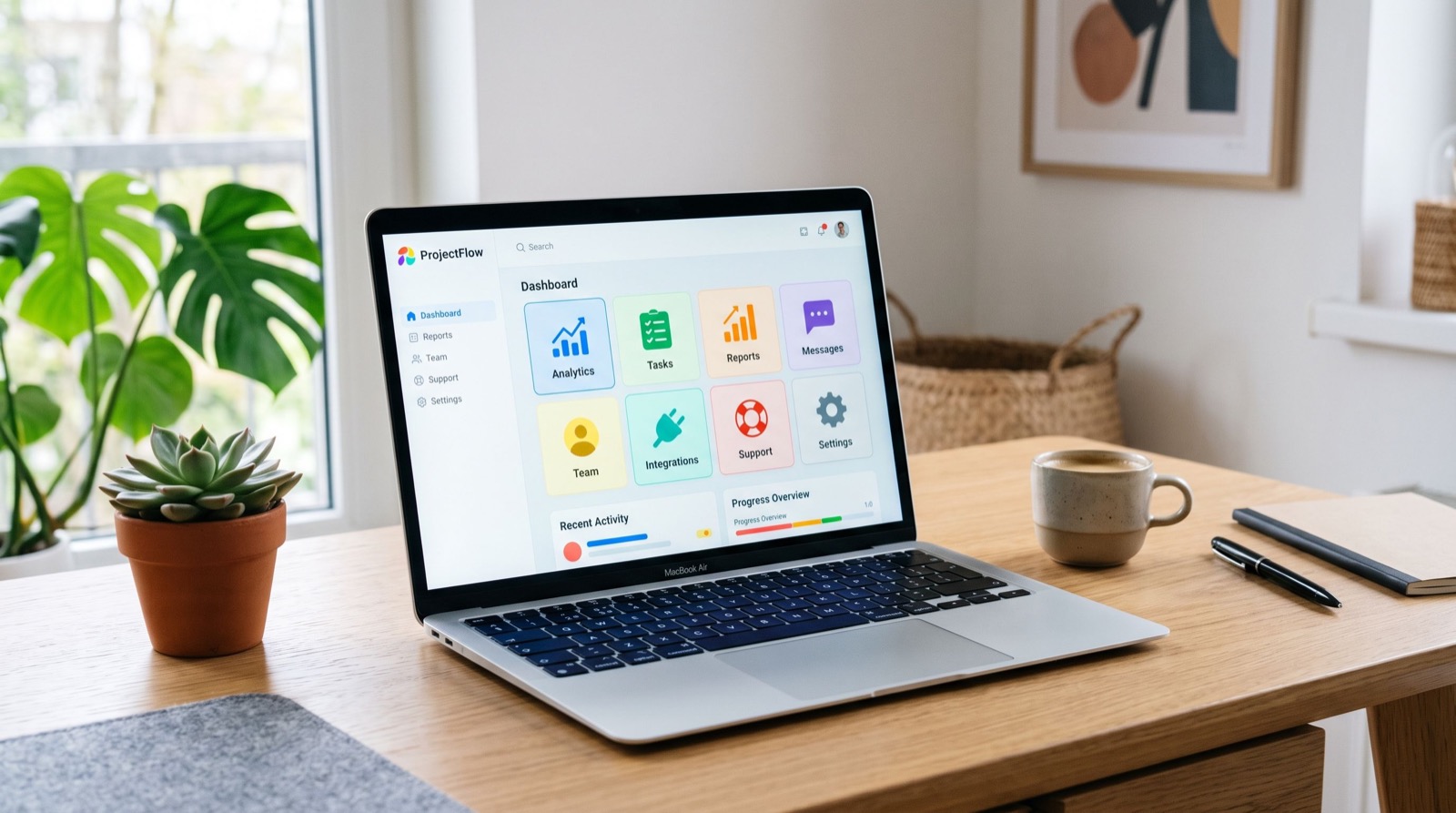
- Service data flows into a live analytics dashboard.
Why Branches Are Upgrading in 2026
Foot traffic patterns have shifted since digital banking took hold. The customers who still visit a branch often need complex, higher-value services, so their experience carries extra weight. A dropped ticket or a shouted number now costs real relationships.
Choosing the right partner matters as much as the software. Teams that deploy a queue management system in pakistan with proper training and analytics see faster payback than those who buy hardware alone.
Benefits Managers Actually Notice
- Shorter, calmer lobbies during month-end and salary-day rushes.
- Data-driven staffing that matches counters to demand.
- Fewer complaints because visitors see honest wait estimates.
- Cleaner audit trails for compliance and quality reviews.
- Higher upsell rates when agents are less rushed.
Comparing Queue Setups for Different Branch Sizes
A single-counter microfinance outlet and a flagship city branch need very different configurations. The table below maps common branch profiles to a sensible setup so you avoid over- or under-buying.
| Branch Profile | Recommended Setup | Key Feature |
|---|---|---|
| Small outlet | Single kiosk, cloud dashboard | Simple ticketing |
| Mid-size branch | Multi-service kiosk + signage | Smart routing |
| Flagship branch | Kiosks, mobile queue, drive-thru link | Full analytics |
Notice that only the flagship tier adds a drive-thru link. That extension is where forward-looking banks and quick-service brands are heading next.
Can Queue Systems Extend to the Drive-Thru?
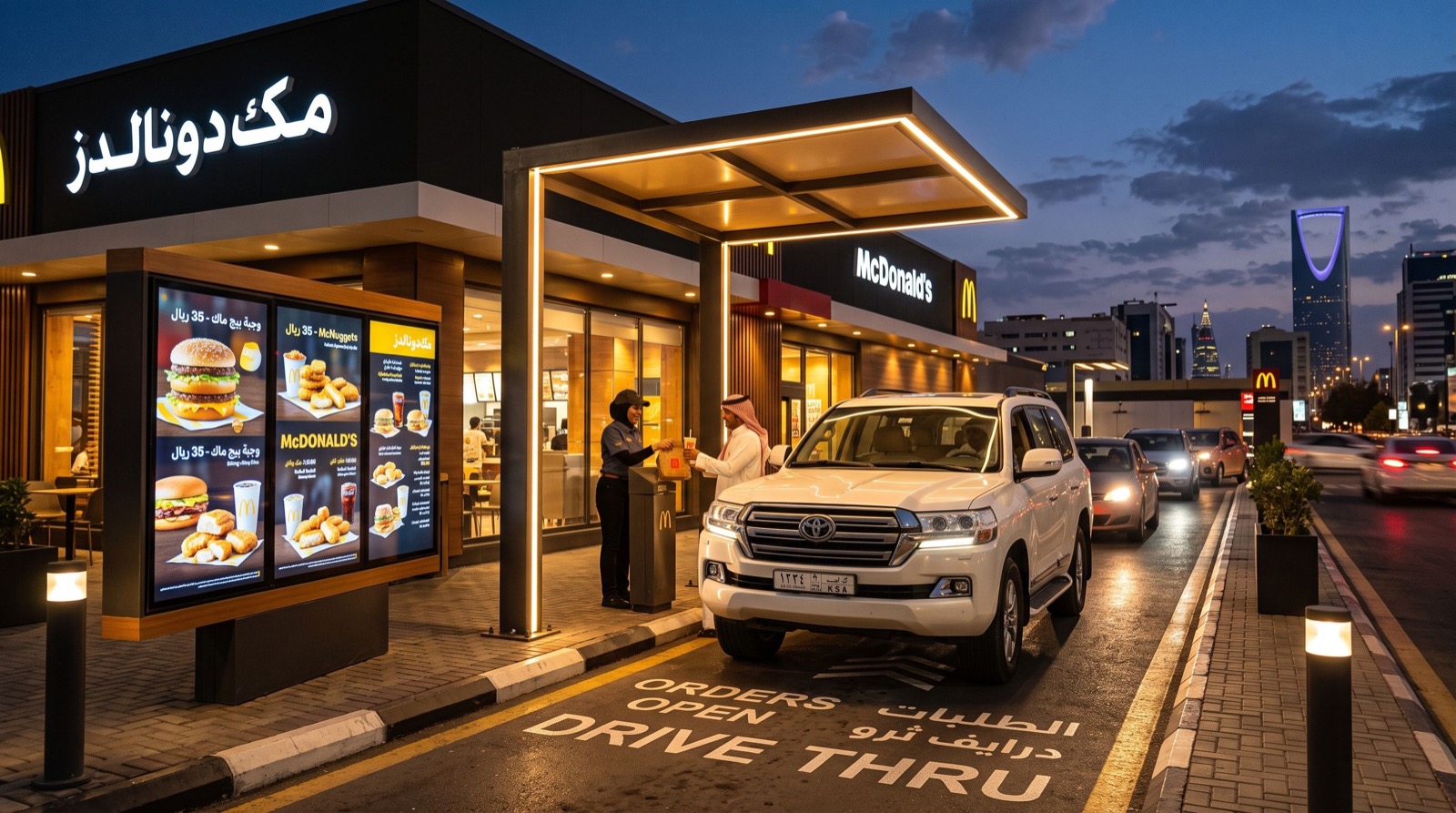
Yes, and this is one of the most exciting shifts of 2026. The same routing logic that orders a lobby can sequence vehicles in a lane, measure service time per car, and alert staff when a wait crosses a threshold. Banks piloting outdoor teller lanes use exactly this approach.
Integrating a Drive Thru Solution in pakistan with the indoor queue means one dashboard covers both the counter and the curb. Managers stop juggling two disconnected systems and start seeing the full customer journey.
A Practical Rollout Tip
Here is something I learned the hard way: pilot one branch fully before scaling. Run it for a month, capture the peak-hour data, then use those real numbers to size every other site. Rolling out blind to fifty branches at once guarantees expensive surprises. One clean pilot pays for itself in avoided mistakes.
Integrating Queuing With Your Core Systems
A queue platform delivers the most value when it stops being an island. Linking it to your core banking system, CRM, and feedback tools turns raw wait data into decisions. For example, matching ticket types to product uptake shows which services deserve a dedicated fast lane.
Feedback integration is especially powerful. When a satisfaction prompt fires automatically after service, you capture sentiment while the memory is fresh, and you can tie each score back to the exact counter and wait time. That closed loop is where genuine improvement begins.
Systems Worth Connecting
- Core banking to route by account type or priority tier.
- CRM to greet returning customers by name and history.
- Feedback tools to link satisfaction scores to real waits.
- HR and biometrics to match staffing to live demand.
Handling Peak Days Without Panic
Salary day and month-end are the true test of any branch. On those days the lobby fills faster than staff can react, and paper systems collapse into confusion. A smart queue platform absorbs the surge by pushing mobile tickets, opening overflow counters automatically, and warning managers before the wait crosses a red line.
The best branches rehearse these peaks. They study last month’s salary-day curve, pre-position staff, and set the system to alert at the first sign of strain. That preparation, powered by real data, is what separates a calm flagship from a stressed one in 2026.
Standards, Data, and Doing It Right
Wait-time claims should rest on recognised measurement, not marketing. Frameworks like ISO 10002 on customer satisfaction and complaint handling give banks a structured way to benchmark performance that auditors respect. Ask any vendor how their analytics align to such a standard.
Reputable integrators, the kind you would call quality service providers, will happily walk you through their reporting methodology instead of hiding it behind buzzwords.
Frequently Asked Questions
How much does a queue management system in Pakistan cost?
A single-outlet cloud setup starts modestly, while a flagship branch with kiosks, signage, and a drive-thru link costs considerably more. Most banks recover the investment within a year through better staffing and higher retention.
Does the system support Urdu and English?
Yes. Any credible platform offers bilingual signage and voice announcements. Confirm that both languages appear clearly on screens and in audio before you buy.
Can customers join the queue from their phone?
Modern systems let visitors scan a QR code or use an app to take a ticket remotely, then arrive close to their turn. This reduces lobby crowding significantly.
How quickly can a branch go live?
A cloud-based single branch can be operational within days, while multi-branch or drive-thru integrated rollouts take a few weeks including staff training and testing.
Conclusion
A well-planned queue management system in Pakistan does more than shorten lines in 2026; it hands managers the data to run smarter branches and even extend service to the drive-thru lane. Start with one clean pilot, insist on standards-based analytics, and scale from real numbers. Ready to modernise your branch? Book a demo with an experienced integrator this week.