Commercial Plots in Rawalpindi: The High-Rise Shift of 2026
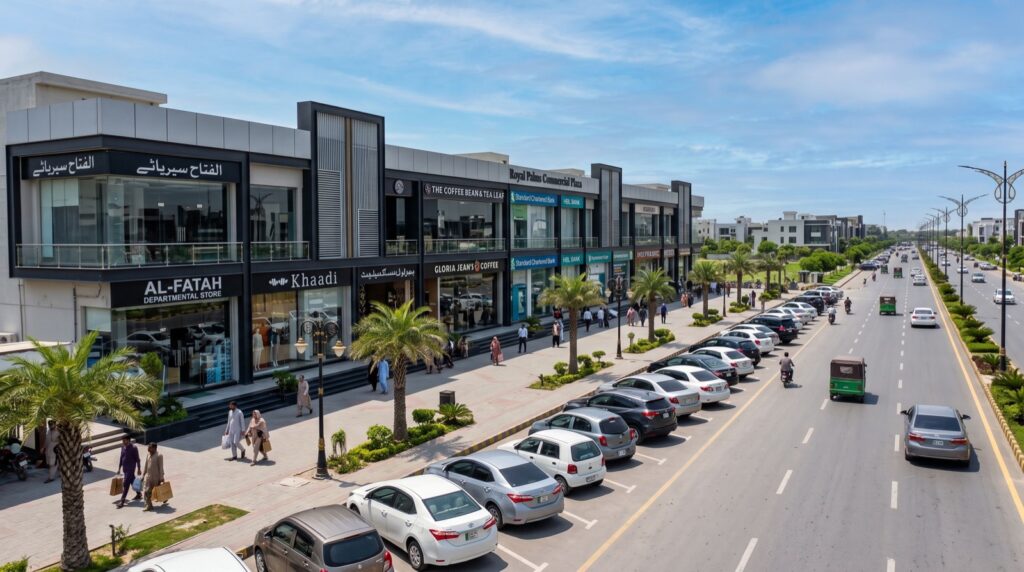
Commercial plots in Rawalpindi are entering a new chapter in 2026 as the city tilts toward vertical, high-rise development. Rising land prices and a hunger for mixed-use space are pushing developers upward rather than outward. For investors, this shift changes what a good commercial plot looks like and where the smart money is flowing. This piece maps that transition and what it means for your next purchase.
For years, the twin-city commercial story was about spreading horizontally along new roads. That model is maturing. The next wave rewards plots zoned for height, density, and mixed use, where retail, offices, and apartments stack in a single footprint.
Why Rawalpindi Is Building Upward
Prime land near arterial roads is finite. When you cannot build wider, you build taller. High-rise commercial plots let developers multiply usable floor area on the same parcel, which supports better returns per square metre of ground.
Demand backs the trend. A growing professional class wants offices, cafés, and apartments in one walkable hub. Vertical mixed-use projects deliver exactly that convenience.
The economics behind the height
A single-storey shop earns from one floor. A high-rise commercial block earns from many, spreading land cost across dozens of leasable units. That leverage is the core reason serious investors track high-rise-designated plots so closely.
What Should Investors Watch in a High-Rise Plot?
Height potential is only valuable if the fundamentals support it. Several factors decide whether a vertical plot lives up to its promise.
- Zoning and permissible height: confirm the plot is sanctioned for high-rise, not just wishful.
- Road width and access: tall buildings need wide approaches and real parking capacity.
- Utility load: power, water, and drainage must be sized for density.
- Surrounding demand: offices and retail thrive where people already gather.
Investors comparing options often start with established commercial inventory. Reviewing available Commercial Plots in Rawalpindi helps you distinguish plots built for the old horizontal model from those primed for vertical growth.
How Do High-Rise Plots Compare to Traditional Commercial Land?
The two models serve different investors. Understanding the trade-offs keeps your capital aligned with your goals.
| Feature | Traditional Commercial | High-Rise Commercial |
|---|---|---|
| Income floors | One to two | Many, stacked |
| Entry capital | Lower | Higher |
| Return ceiling | Modest | High |
| Development complexity | Simple | Significant |
| Best suited to | Small shop owners | Developers, syndicates |
Larger, height-ready parcels attract developers planning ambitious projects. For instance, sizeable inventory such as 5.5 Kanal High Rise Plots is designed for exactly this vertical, mixed-use future rather than a single storefront.
Sizing the Opportunity Without Overreaching
High-rise plots carry bigger upside and bigger commitments. Discipline protects you from stretching too far.
- Match the plot’s scale to your realistic development or holding capacity.
- Model your returns conservatively, assuming slower lease-up than the brochure suggests.
- Confirm financing and construction partners before you commit.
- Keep a cash buffer for the inevitable timeline slips.
Vertical projects reward those who plan carefully and punish those who improvise. Treat the numbers with respect and the height becomes an asset rather than a liability.
Reading the regulatory landscape
High-rise development lives and dies by approvals. Building codes, height limits, and safety rules are non-negotiable. Global urban bodies track how cities densify responsibly, and the World Bank urban development program offers useful context on how sustainable vertical growth is managed. Cross-reference local sanctioning before you buy.
The Rise of Mixed-Use Living and Working
The high-rise shift is not only about height; it is about blending functions. The most sought-after vertical projects in 2026 stack retail at street level, offices above, and apartments higher still, creating self-contained hubs where people live, work, and shop without long commutes.
This blend appeals to a generation that values time over square footage. A professional who can walk downstairs to a café and across the lobby to an office pays a premium for that convenience, and that premium flows back to the plot owner.
Why mixed-use protects your returns
Single-purpose buildings rise and fall with one market. A retail-only block suffers when shops struggle; an office-only tower empties in a downturn. Mixed-use spreads that risk across several income streams, cushioning the whole asset.
For investors, a plot zoned for genuine mixed-use flexibility is more resilient than one locked into a single function. Diversity of income is diversity of safety.
Timing Your Entry Into a Vertical Market
Vertical development moves in visible stages, and reading those stages sharpens your timing. Buying a height-ready plot before the surrounding district densifies captures the steepest appreciation.
- Watch for arterial road upgrades that unlock density.
- Track when the first towers break ground nearby.
- Note commercial anchors that draw daily foot traffic.
- Confirm utility capacity expands to support taller buildings.
When several of these align, the district is tipping toward its high-rise future, and plots priced on the old horizontal logic suddenly look undervalued.
Preparing for Handover and Fit-Out
Once a plot transfers and construction wraps, the operational phase begins. Coordinating tenant fit-outs, equipment, and furnishings across multiple floors is a logistics exercise in itself.
Bringing in reliable local experts to manage the movement and setup of delicate fixtures keeps your launch on schedule and your finishes flawless. Small operational choices like this protect the returns your capital worked hard to earn.
Frequently Asked Questions
Are high-rise commercial plots a good investment in 2026?
They can deliver strong returns because they stack many income floors on one parcel. Success depends on correct zoning, access, utilities, and genuine local demand.
Do I need to be a developer to benefit from high-rise plots?
Not necessarily. Some investors hold height-ready land for appreciation, while others join syndicates or partner with developers to share both cost and reward.
How is a high-rise plot different from a regular commercial plot?
High-rise plots are zoned for vertical, multi-floor, mixed-use development, whereas traditional commercial land usually supports one or two storeys and simpler projects.
What is the biggest risk with vertical projects?
Underestimating timelines and costs. Vertical builds are complex, so conservative modelling and a solid cash buffer are essential to avoid strain.
Partnering and Pooling Capital for Bigger Plots
Not every investor can fund a high-rise project alone, and in 2026 that is no barrier. Pooling capital through partnerships and syndicates has opened vertical development to people who once watched from the sidelines.
A well-structured partnership spreads both cost and risk. One partner may bring land, another financing, and a third development expertise. The key is a clear written agreement that defines contributions, decision rights, and how profits split when the project matures.
Protecting yourself in a joint venture
Document everything before money moves. Define exit terms, dispute resolution, and what happens if timelines slip or a partner wants out early. The projects that sour are almost always the ones built on verbal trust rather than written clarity. A little paperwork upfront prevents a great deal of pain later.
The Bottom Line
Commercial plots in Rawalpindi are riding a clear high-rise shift in 2026, and the investors who understand vertical economics stand to gain the most. Confirm zoning, respect the numbers, and align each plot with your capacity. Do that, and you position yourself on the right side of the city’s next growth curve.